
Georgia’s Pollen Layer: Advanced Allergy Relief for 2026
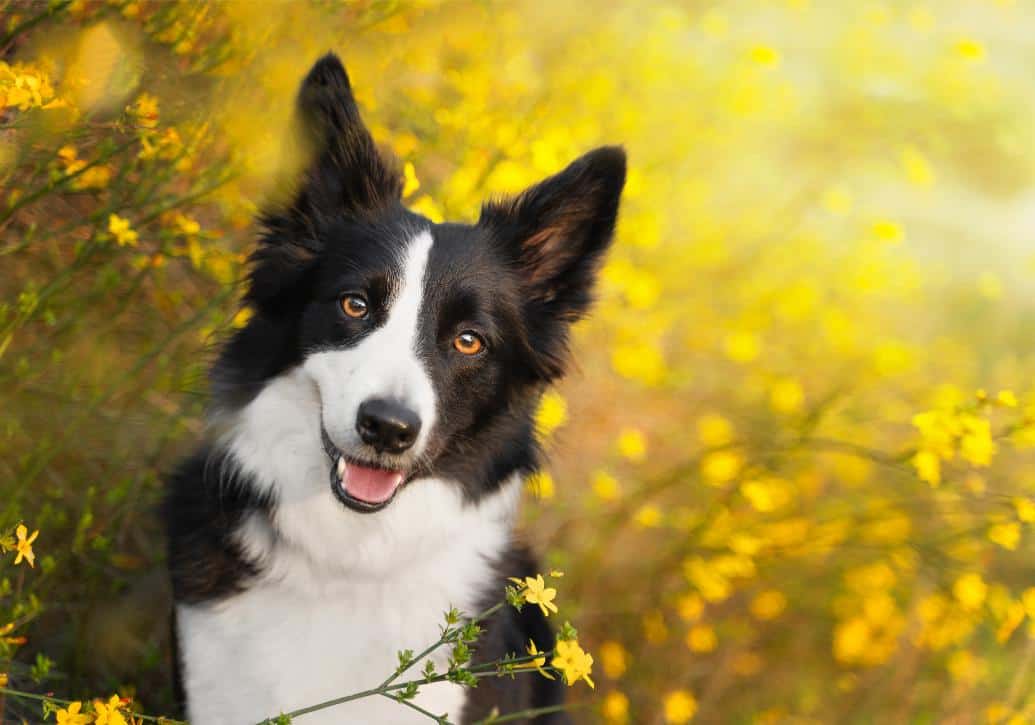
Is your pet constantly running around with a fine layer of yellow or green-ish dust on her nose? Or is she spending a considerable part of the day itching herself or sneezing? Pet allergies affect plenty of Georgia’s furry family members, especially during springtime.
Below, the team at Dallas Highway Animal Hospital shares the tools you need to set your pet up for an itch-free spring.
Why Spring Can Be An Itchy Time for Georgia’s Pets
If you live in the Atlanta metro area, you’ve probably seen all the cars, sidewalks, and patios around us turn a lovely shade of yellow, almost overnight. This famous cloud of pollen is an allergy trigger for humans and pets alike, and local veterinarians treat cases of Georgia pet allergies due to pollen every year
But where does this pollen come from? Our lovely, beautiful, enormous oak, pine, and sweetgum trees. These arboreal beauties release massive amounts of pollen early in the spring. And then, grass and weed pollens follow soon after.
When pets prance through the yard, dog park, or sidewalk during this pollen festival, the microscopic particles stick to everything. They burrow deep down into your pet’s fur, get stuck between his toes, and settle onto his skin.
Signs of Pet Allergies in Georgia
Unlike humans, pets don’t just sneeze and have stuffy noses when they have allergies. While this can technically happen, you will probably notice changes in your pet’s skin more than anything else.
Your pet might:
- Constantly scratch or lick a specific area
- Chew at her paws
- Bite off hair, revealing hotspots of red and inflamed skin
- Develop an ear infection
These symptoms might appear the moment your dog or cat walks outside and steps on the pollen-encrusted sidewalk. But because the fine dust is so persistent in sticking to your pet’s coat and skin, the symptoms can appear even after your pet comes back inside.
Relief for Seasonal Itching in Georgia
If your pet’s allergies are minor, you can help lessen the pollen load by washing your pet’s bedding frequently and giving your dog a bath every week or so. Keeping the grass trimmed and wiping your pet’s paws and belly after a romp outdoors can help, too.
For more intense allergic reactions, additional veterinary treatments may be needed.
Modern veterinary medicine offers an array of treatments that can help you manage your pet’s seasonal allergy symptoms.
One popular option is Cytopoint for dogs, an injectable therapy that can target the proteins that trigger itching in your pet. Instead of suppressing your pet’s entire immune system like a regular antihistamine, Cytopoint works by blocking the signal that tells the brain your dog feels itchy.
Many dogs feel better within a few days of Cytopoint treatment, and the protective effects can last for weeks.
But only your veterinarian can guide you to the choice that’s right for your dog. Your Powder Springs vet might consider medicated shampoos, dietary adjustments, or traditional allergy medications to help your pet feel better.
To learn more or find allergy symptom relief for your furry family member, reach out to the caring team at Dallas Highway Animal Hospital. Call us at (770) 419-8086 to schedule an appointment for pet allergy relief today!