
Understanding Canine Cognitive Dysfunction (Dog Dementia)
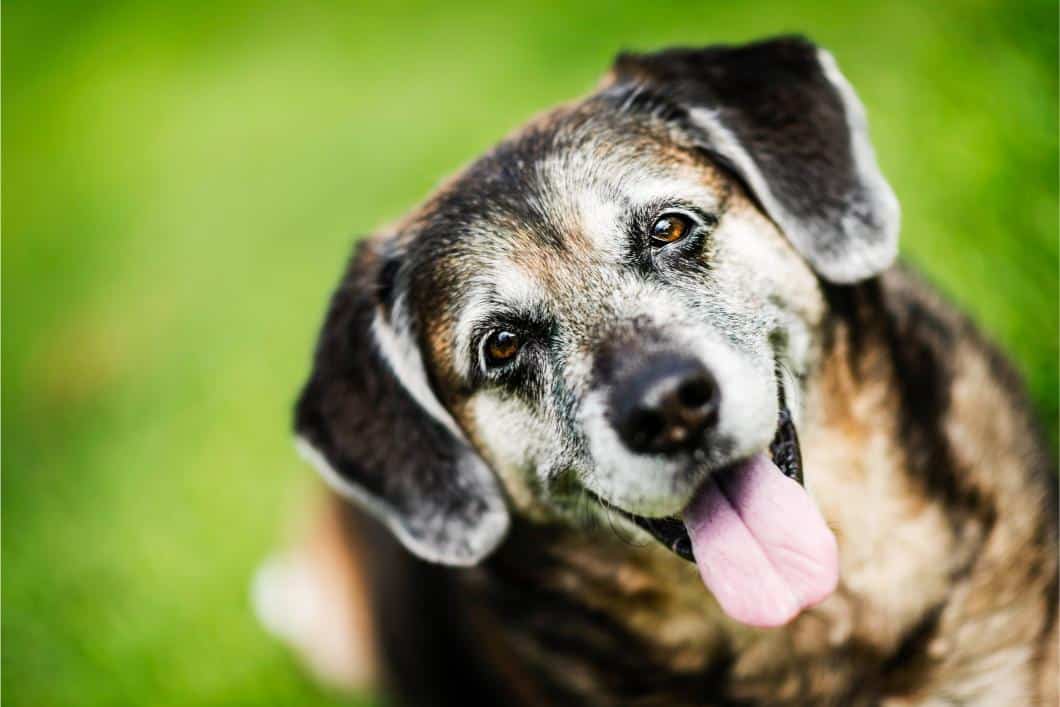
Watching your dog slow down with age is something most pet owners expect. A little less spring in the step, a preference for the couch over the yard: these changes feel familiar. But some senior dogs experience something more significant: a gradual shift in awareness, memory, and behavior that goes well beyond ordinary aging.
Canine cognitive dysfunction, sometimes called dog dementia, is a real neurological condition, and recognizing it early can make a meaningful difference in your dog’s quality of life. At Dallas Highway Animal Hospital, we work closely with families to navigate the challenges of senior pet care—including this one.
What Is Canine Cognitive Dysfunction?
Canine cognitive dysfunction is a progressive neurological condition that affects older dogs, typically those 9 years of age and older. It’s often compared to Alzheimer’s disease in humans. Over time, physical changes in the brain, including the buildup of abnormal protein deposits and reduced blood flow, occur and interfere with a dog’s ability to think, learn, and remember.
Studies suggest that more than half of dogs over age 11 show at least some signs of the condition, and the risk increases significantly with each passing year. The good news: while there’s no cure, early intervention can slow the progression and help your dog stay comfortable, engaged, and connected to the life they love.
Recognizing Dog Dementia Symptoms
Because dogs can’t tell us when something feels off, it falls on us to notice the changes. Dog dementia symptoms often develop gradually, which makes them easy to dismiss as “just getting older.” The following senior dog behavior changes are worth paying attention to, especially if more than one applies to your pet:
- Disorientation or confusion in familiar spaces, such as getting lost in the backyard or standing at the wrong side of a door
- Staring blankly at walls or into space, or getting “stuck” in corners
- Disrupted sleep: restlessness or pacing at night paired with excessive sleeping during the day
- Indoor accidents in a dog that was previously housetrained
- Reduced interest in play, food, or interaction with people and other pets
- Increased anxiety, repetitive pacing, or unexplained vocalization
Dog memory loss signs like these can also be caused by other medical conditions—pain, hearing or vision loss, thyroid issues, and more—which is exactly why a veterinary evaluation is so important. A diagnosis of CCD is made by first ruling out other causes.
How Is Canine Cognitive Dysfunction Diagnosed?
There’s no single test that confirms CCD. Instead, your veterinarian will conduct a thorough physical and neurological exam, review your dog’s health history, and run diagnostics—including bloodwork and urinalysis—to rule out other conditions that can mimic cognitive decline. In some cases, additional imaging may be recommended.
What you observe at home matters enormously. Before your appointment, take note of when the symptoms started, how often they occur, and whether they’ve been getting worse. That context helps your veterinarian build a clearer picture and reach a more accurate assessment. Our diagnostics and internal medicine services are here to support that process.
Caring for a Dog With Dementia
Caring for dogs with dementia requires patience, consistency, and a proactive partnership with our veterinary team. While the condition is progressive, there’s quite a bit you can do to support your dog’s comfort and slow the decline:
- Keep a consistent daily routine. Predictable feeding times, walks, and sleep schedules can reduce confusion and anxiety.
- Provide gentle mental stimulation through short training sessions, puzzle feeders, and calm social interaction.
- Make simple home modifications: nightlights for disoriented dogs, baby gates near stairs, and orthopedic bedding in easily accessible spots.
- Ask your veterinarian about prescription medications and dietary supplements that support brain health. Some options have shown promising results in slowing progression.
Regular wellness visits are especially important for senior dogs with CCD, both to monitor and to adjust the care plan as needs change. Our wellness plans are designed with exactly this kind of ongoing, proactive care in mind: bundling the exams, lab work, and preventive care your older dog needs into one convenient monthly plan.
Your Senior Dog Deserves Attentive, Compassionate Care
If you’ve noticed any of the changes described above in your dog, you don’t have to wonder or wait. An evaluation can give you answers and a path forward.
Reach out today to schedule an appointment. Call us at (770) 419-8086. Dallas Highway Animal Hospital is here to help you understand what your dog is experiencing and build a care plan that supports their well-being through every stage of life.