
Skin Allergies That Don’t Respond to Treatment
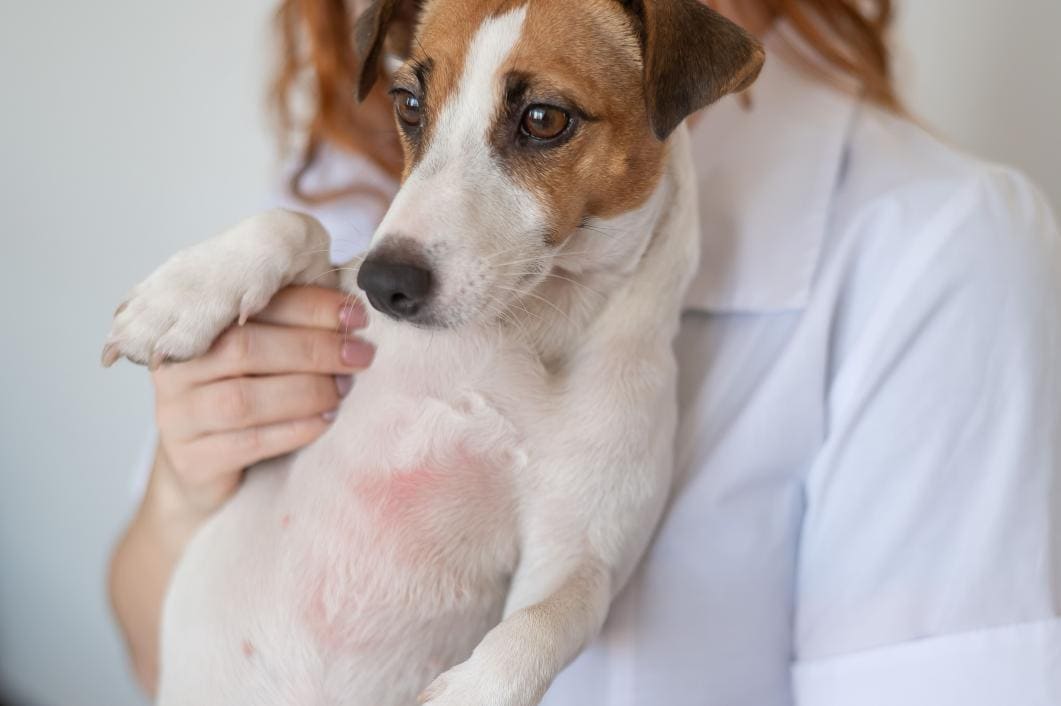
If your dog has been scratching nonstop, chewing at their paws like it’s a full-time job, or leaving little tumbleweeds of fur around the house despite treatment, you’re probably frustrated—and your pet definitely is, too. Allergies can be one of the trickiest conditions to manage because the underlying cause isn’t always obvious at first. At Dallas Highway Animal Hospital in Powder Springs, our team understands how discouraging it can feel when your pet’s skin problems seem to improve briefly, only to flare right back up again.
The good news? When allergies aren’t responding to treatment, it usually means it’s time to take a closer look, not give up hope.
Chronic Itching in Dogs: What Are the Causes?
Chronic itching is often linked to allergies, but not every itchy pet has the same trigger. In fact, several conditions can look very similar on the surface. A dog with environmental allergies may have symptoms that resemble food sensitivities, parasites, or even infections.
Common causes of ongoing skin irritation in dogs include:
- Environmental allergens like pollen, grass, mold, or dust mites
- Flea allergy dermatitis
- Food allergies or sensitivities
- Bacterial or yeast infections
- Hormonal conditions affecting the skin
- Contact irritants, such as cleaning products or certain fabrics
Sometimes, pets are dealing with more than one issue at once. For example, allergies may weaken the skin barrier, allowing secondary infections to develop. In some cases, resistant dermatitis in dogs can develop when inflammation, infection, and ongoing allergen exposure continue to trigger the skin. That can make pets even itchier and more uncomfortable, even if they’re already receiving medication.
That’s why persistent symptoms deserve a thorough evaluation rather than repeated short-term fixes.
If Your Dog Is Being Treated, but Allergies Aren’t Improving
If your dog’s allergies aren’t improving despite treatment, it may be time to reassess the plan. Allergy treatment failure in pets doesn’t necessarily mean the original diagnosis was wrong. It may simply mean the underlying cause hasn’t been fully identified yet, or your pet’s condition has evolved.
A few signs that your pet may need additional testing or a different approach include:
- Symptoms returning quickly after medication ends
- Constant licking, chewing, or scratching
- Recurring ear infections
- Hair loss or scabbing
- Strong skin odor
- Red, inflamed, or thickened skin
- Poor response to multiple medications
Some pets also develop tolerance issues, medication side effects, or infections that complicate treatment. In other cases, dog allergies not improving could point to inconsistent exposure to allergens in the home or yard.
This is where a deeper diagnostic approach can make a major difference.
Why Allergy Cases Sometimes Become Complicated
Skin allergies aren’t always solved with a single shot, pill, or shampoo. Allergic skin disease often requires ongoing management and occasional adjustments over time.
At Dallas Highway Animal Hospital, our team may recommend a combination of strategies to help identify the source of the problem and bring your pet relief. Depending on your pet’s symptoms, this could include:
- Skin cytology to look for infection
- Flea prevention review
- Food elimination trials
- Allergy testing
- Medicated shampoos or topical therapy
- Prescription allergy medications
- Long-term management planning
Because every pet responds differently, treatment may involve some trial and error before finding the right balance. The goal isn’t simply to temporarily stop itching. It’s to improve your pet’s comfort, skin health, and overall quality of life.
Don’t Let Ongoing Skin Problems Become Your Pet’s “Normal”
If your pet is itchy and uncomfortable, the knowledgeable team at Dallas Highway Animal Hospital is here to provide allergy and skin care to get your pet feeling more comfortable. Call (770) 419-8086 to book an appointment.