Holiday Foods That Can Make Dogs and Cats Sick
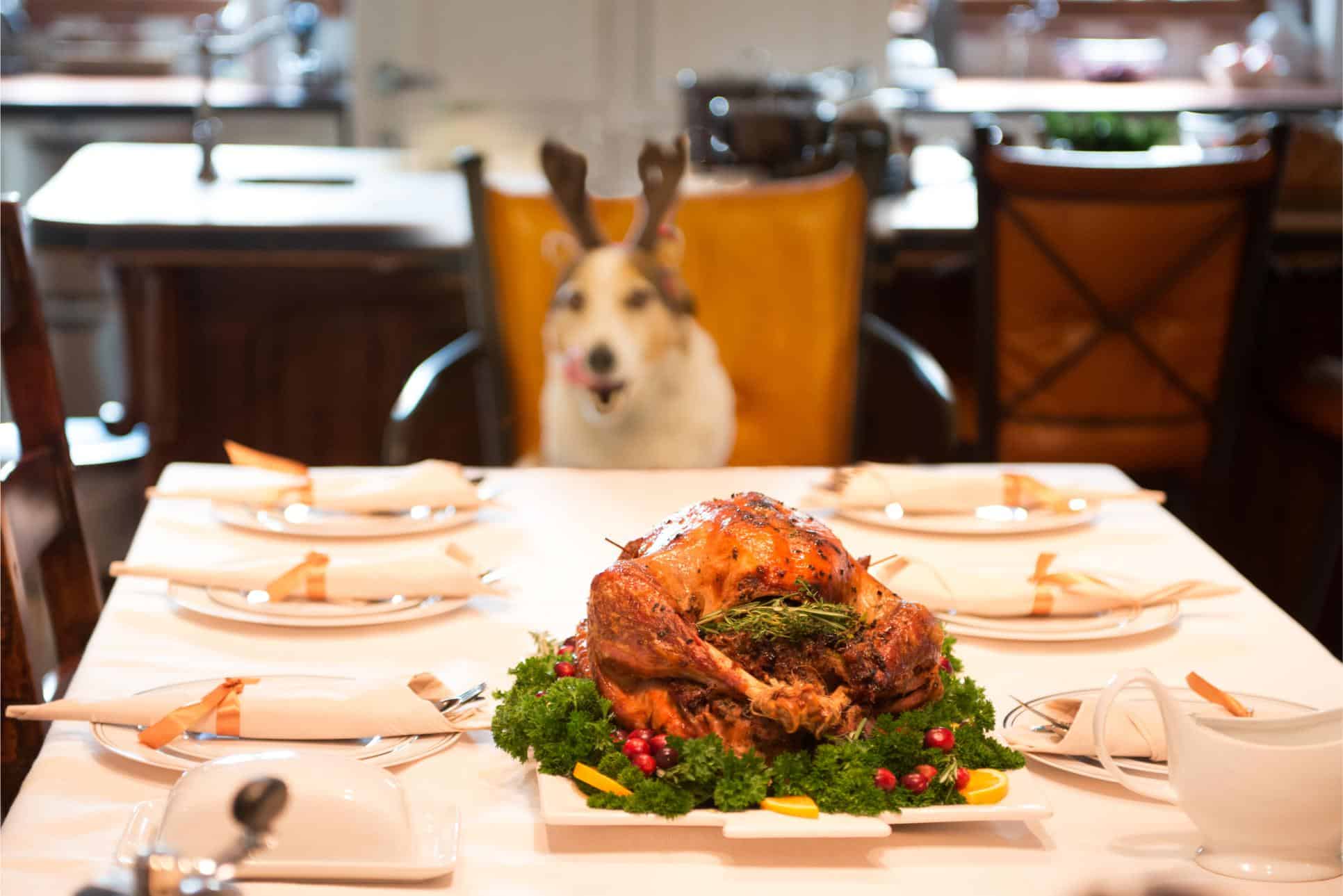
The holidays bring plenty of delicious traditions, from Thanksgiving dinner to pies and other festive treats. Unfortunately, some seasonal favorites can cause anything from an upset stomach to a serious medical emergency for pets. At Dallas Highway Animal Hospital in Powder Springs, GA, we want families to enjoy the festivities while keeping curious dogs and cats away from foods that could harm them.
Which Holiday Foods Are Toxic to Pets?
Some of the most common toxic foods for pets are ingredients that appear frequently in holiday meals, desserts, and snacks. Even a small amount of certain foods may cause serious problems, so keep these items safely out of reach:
- Chocolate: Chocolate contains compounds that can cause vomiting, restlessness, abnormal heart rhythms, tremors, or seizures. Dark chocolate and baking chocolate generally pose the greatest risk.
- Grapes and raisins: These can cause potentially life-threatening kidney damage in dogs. Watch for them in fruitcakes, breads, stuffing, and other holiday dishes.
- Onions, garlic, and chives: These ingredients can damage red blood cells, which can lead to anemia. Cats are particularly susceptible, although dogs can also be affected.
- Xylitol: This sweetener may be found in sugar-free candy, baked goods, gum, and other products. In dogs, it can cause a dangerous drop in blood sugar, and potentially liver damage.
- Alcohol and raw yeast dough: Alcohol can cause severe poisoning, while raw yeast dough can expand in the stomach, and also produce alcohol as it ferments.
Remember that ingredients matter, too. A dish that looks harmless may contain onions, raisins, chocolate, or another ingredient your pet shouldn’t eat.
Rich Holiday Meals Can Cause Digestive Problems
Not every dangerous holiday food is technically toxic. Fatty meats, gravy, buttery side dishes, poultry skin, and other rich foods can cause vomiting or diarrhea and may contribute to pancreatitis in dogs. Pancreatitis is inflammation of the pancreas and can cause loss of appetite, vomiting, lethargy, dehydration, and abdominal pain.
Cooked bones are another concern. Turkey, chicken, and other bones can splinter or become lodged in the digestive tract, potentially causing choking, obstruction, or internal injuries.
For Thanksgiving pet safety, skip the plate of leftovers. If you’d like your pet to join the celebration, offer their usual treats or ask your veterinarian which simple, unseasoned foods are appropriate.
Make Pet Poisoning Prevention Part of Your Holiday Plans
Holiday gatherings can make food especially easy for pets to reach. Guests may not know your household rules, and a determined dog or cat may take advantage of an unattended plate or overflowing trash can.
A few simple pet poisoning prevention habits can reduce the risk:
- Keep serving dishes, desserts, and candy bowls out of reach
- Ask guests not to feed your pets from their plates
- Secure trash cans and promptly dispose of food scraps, bones, wrappers, and packaging
- Give pets their own safe treats rather than sharing holiday foods
Our team also recommends paying attention during cleanup, when leftovers and trash may temporarily be within easy reach.
What Should You Do If Your Pet Eats Something Dangerous?
If you know or suspect your pet has eaten a potentially harmful food, don’t wait for symptoms to appear. Contact a veterinarian promptly and be prepared to share what your pet ate, approximately how much, and when the exposure occurred. Don’t induce vomiting or try a home remedy unless a veterinary professional specifically instructs you to do so.
If you’re looking for a Powder Springs veterinarian to help you keep your pet healthy throughout the holidays and beyond, Dallas Highway Animal Hospital is here for you. Call (770) 419-8086 to book an appointment with our caring veterinary team.