
My Dog’s Limping: Is It the Weather or Something More?
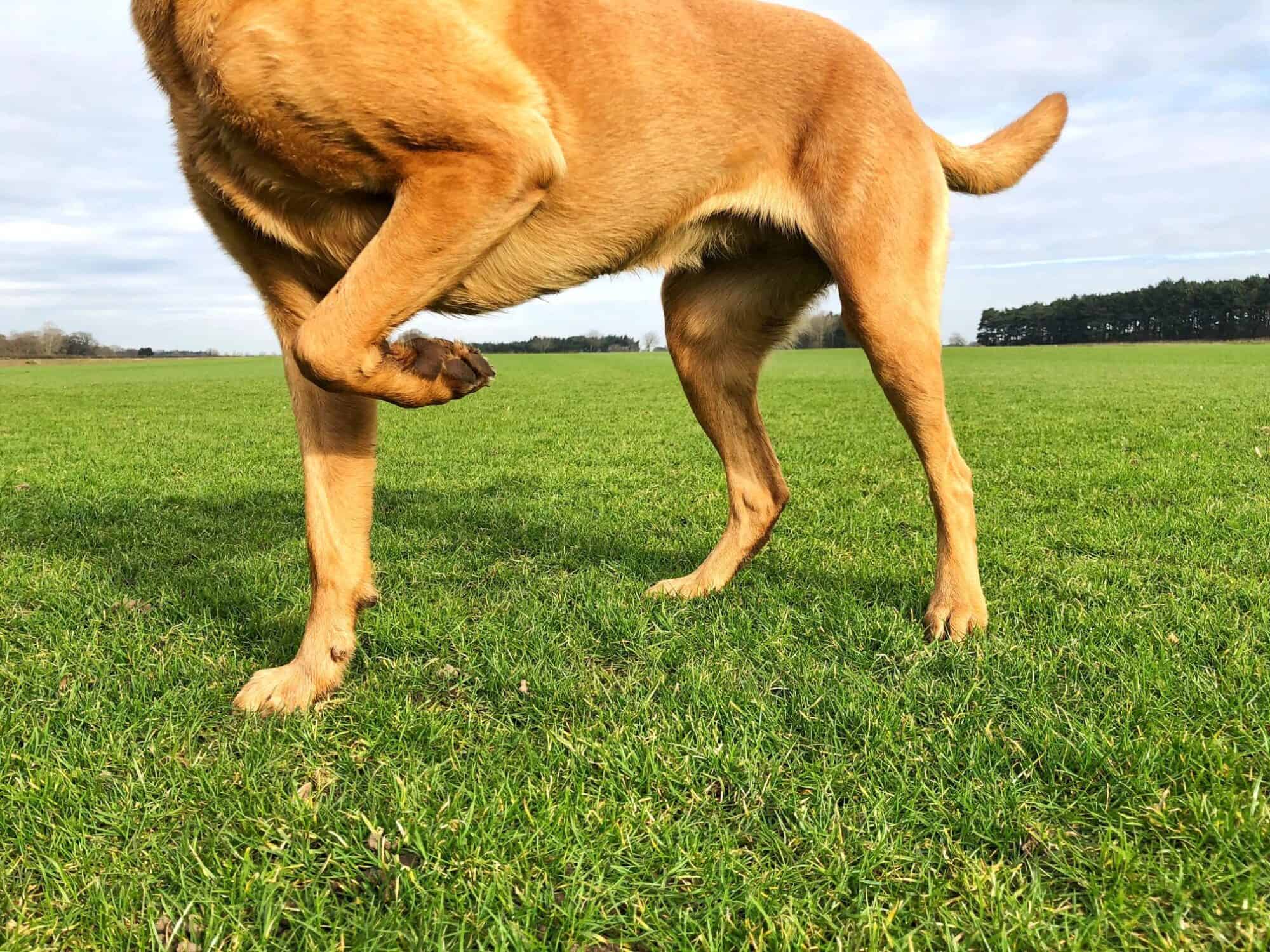
If your dog has been moving a little slower lately—maybe hesitating to chase a ball, limping after naps, or giving you those “carry me” eyes—it’s natural to wonder why. Is it just the chilly fall mornings making their joints creak, or could something more serious be going on? At Dallas Highway Animal Hospital in Powder Springs, GA, we know how unsettling it can be to see your pet in discomfort. Understanding the possible causes of limping will help you decide when it’s time to head to the vet.
How Fall Weather Can Affect Your Dog’s Joints
Just like humans, dogs can feel the effects of changing seasons. Cooler, damp weather in the fall can cause stiff or achy joints, especially in dogs with arthritis or other chronic conditions.
Common ways fall weather impacts mobility include:
- Joint stiffness in the morning or after resting
- Slower movement when it’s cold outside
- Reluctance to climb stairs or jump onto furniture
These symptoms may ease once your dog gets moving and warmed up. But if the limp persists beyond a short “warm-up” period, it’s worth taking a closer look.
When Pet Limping Is About More Than Just Fall Weather Changes
Not all limping is weather-related. Dogs can develop lameness for a variety of reasons, from minor injuries to chronic health issues.
Potential causes include:
- Arthritis in dogs: This common condition can worsen with age and cooler temperatures, but it’s not exclusive to senior pets.
- Soft tissue injuries: Strains, sprains, or ligament tears can happen during play or exercise.
- Paw pad injuries: Cuts, scrapes, or lodged debris can cause sudden limping.
- Hip dysplasia or other joint problems: These often develop over time but can flare up suddenly.
- Infections or inflammation: Issues in the paw, nail bed, or leg can make walking painful.
If your dog’s limp comes on suddenly, worsens over time, or is accompanied by swelling, fever, or loss of appetite, prompt veterinary care is essential.
Caring for Senior Pets With Joint Pain
Senior pet care often means managing age-related conditions like arthritis and joint pain in pets. With a bit of extra support, older dogs can stay comfortable and active well into their golden years.
Helpful strategies include:
- Joint supplements as recommended by your veterinarian
- Comfortable bedding that cushions joints and keeps them warm
- Moderate, low-impact exercise like short walks or swimming
- Maintaining a healthy weight to reduce strain on joints
These adjustments can make a big difference in your dog’s daily comfort, especially when cooler weather sets in.
When To Call Your Vet
You know your dog best. If something feels “off,” trust your instincts. It’s especially important to schedule an appointment if your pet:
- Has been limping for more than a day or two without improvement
- Shows signs of pain such as whimpering, licking at the sore area, or refusing to bear weight
- Has swelling, redness, or visible injury.
- Loses interest in eating, playing, or interacting
Quick intervention can prevent minor problems from becoming bigger ones and ensure your dog gets back to their happy, tail-wagging self.
Keep Your Dog Moving Comfortably This Fall
Limping in the fall might be something as simple as morning stiffness, but it can also be a sign of an underlying health concern. The veterinarians and staff at Dallas Highway Animal Hospital are here to help you find the cause and keep your pet active and pain-free. Call us today at (770) 419-8086 to schedule a wellness visit with your trusted Powder Springs vet.